A Normal Family
True stories about family life
I started A Normal Family because I wanted to tell the stories we usually keep to ourselves.
Each episode is a real conversation about the patterns we inherit, the secrets we carry, and how we find our way through.

Latest episode
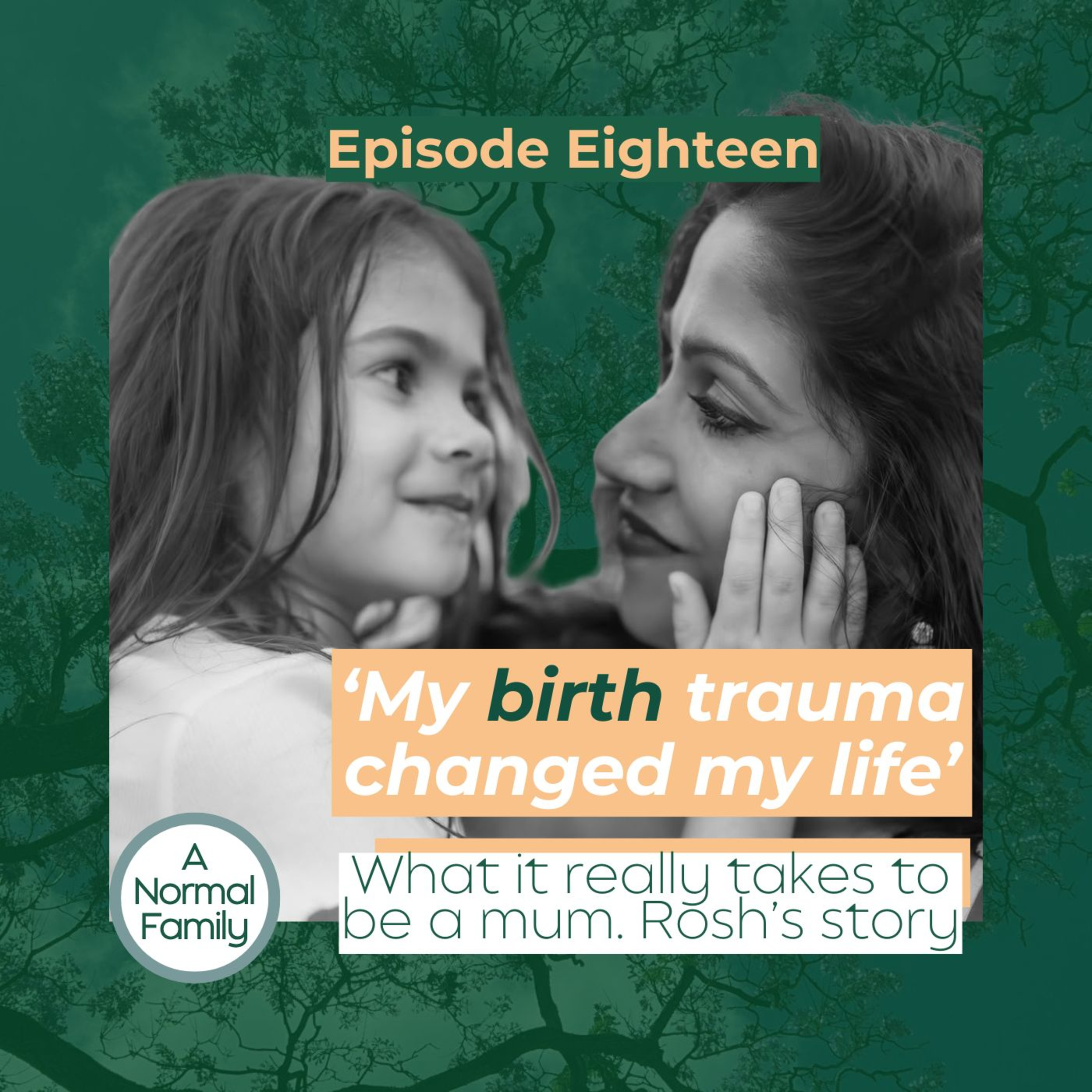
Episode 20 • 00:30:43
My birth trauma changed my life ' - what it takes to become a mum
Rosh was fit, healthy, and ran health policy for an insurance body. On the face of it, you might have expected her to find the transition to motherhood easy.Instead, both of her pregnancies show something that stays hidden more often than it should: the physical cost many women pay to become mothers.This is the final part of my series on matrescence, the transition to motherhood. I started this series apologising to my mum friends for not understanding what becoming one actually costs. Rosh is why I wanted to end here.For her first daughter, she was induced when she didn't need to be, had an emergency C-section and then an infection - all of which also triggered early menopause. Her gynaecologist of ten years told her she wasn't pregnant. She was. Her second pregnancy came with a diagnosis of 'cervical incompetence' (horrible term!), that put her on bed rest for close to five months, not knowing whether her second daughter would make it. After her traumas she spoke to friends - some of 20 years - and found out that many people had also had awful experiences they'd never shared. We talk about what she wishes she'd known, how to advocate for yourself inside the health system, and why so much of this stays in the shadows.A note before you press play: this episode discusses pregnancy loss risk and birth trauma. If that's not what you need today, look after yourself and come back to it another time.Key moments06:28 The induction she didn't need, and the emergency C-section that followed12:34 Getting pregnant again, and the diagnosis that meant months of bed rest17:03 The mental toll, and the friends who'd never shared their own birth stories23:24 How to actually advocate for yourself, and what she'd tell every expectant motherResources Rosh wanted to share:Incompetent Cervix support group (Facebook): https://www.facebook.com/share/g/17cNFsj83f/?mibextid=wwXIfrMayo Clinic — what to know about labour induction: https://www.mayoclinic.org/healthy-lifestyle/labor-and-delivery/in-depth/inducing-labor/art-20047557The Poppy Study — preconception through pregnancy and postpartum research, open to anyone trying for their first baby: https://www.instagram.com/the.poppy.studyRosh is a functional hormone health coach and founder of Vital Woman Wellness. Follow her work: https://www.instagram.com/vitalwoman_wellnessWant to learn how to advocate for yourself in the moments that matter most? Find out about coaching with me, here: https://www.annawallace.org/work-with-annaA Normal Family is a fortnightly podcast about the patterns we inherit from our families, and how understanding them helps us live happier lives with better relationships.#matrescence #birthtrauma #pregnancyadvocacy #earlymenopause #womenshealth
Recent episodes

Episode 19 • 00:07:12
Who's script is it anyway? What I learned from Carla Hoppe
A few months ago I nearly made a decision that wasn't mine to make. It felt like common sense because for someone else, in a different decade, it was.
This solo episode is what happened when Carla Hoppe's two-column money exercise gave me enough distance to see my parents' financial scripts clearly, and to ask whether they still applied to me. Including what I actually decided.
This is a direct follow-up to my conversation with Carla Hoppe. Listen to that one here: https://shorturl.at/p4bww
Key moments:
00:00 The property decision that nearly wasn't mine02:28 Their money script became my money script04:37 The relief of making my own decision05:11 Why money scripts are invisible from the inside06:05 How the two-column exercise changes your decisions
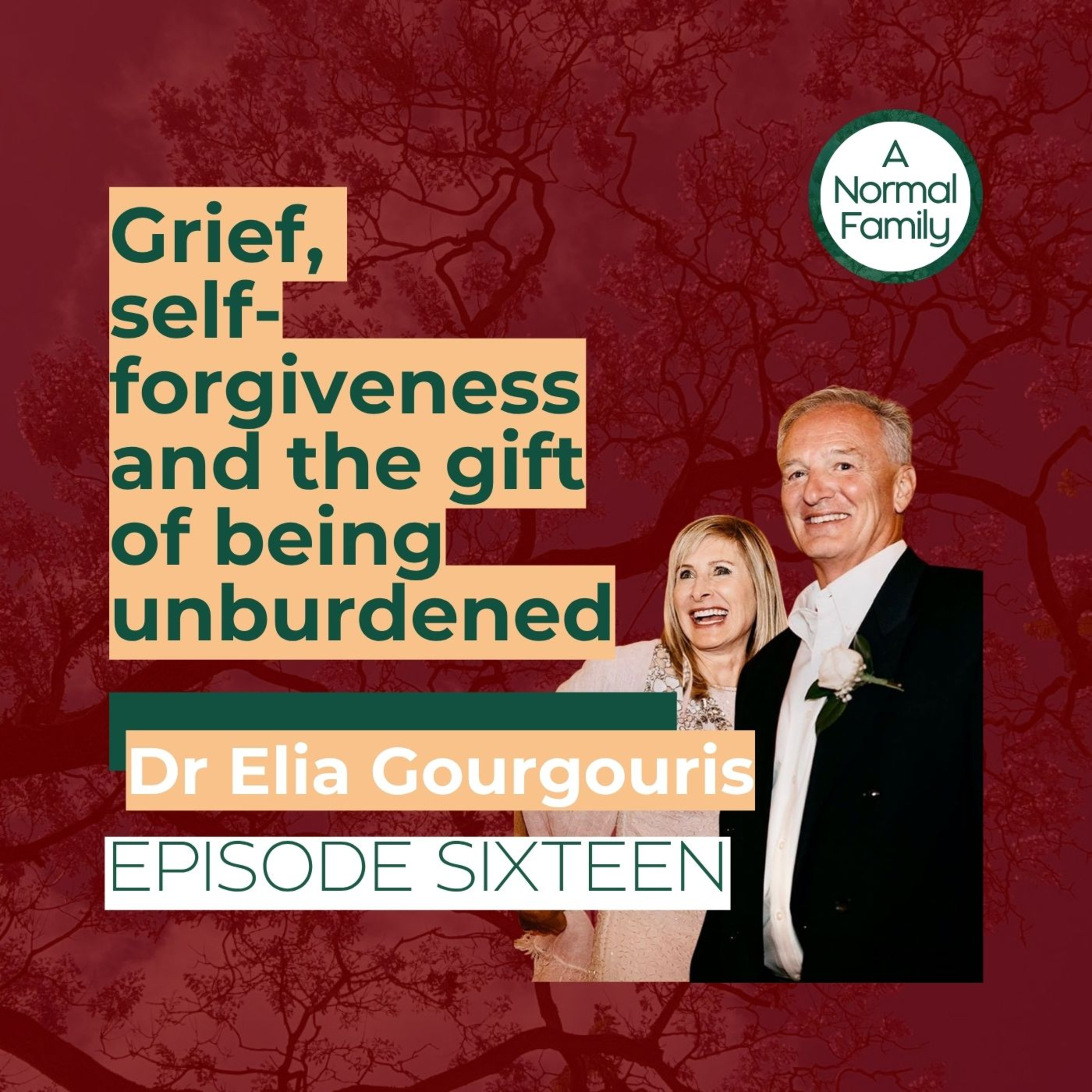
Episode 18 • 00:27:18
Grief, self-forgiveness and the gift of being unburdened | Dr Elia Gourgouris
Grief doesn't resolve. It just changes shape.
Dr Elia Gourgouris lost his mother when he was 22. Her last words to him were simple: don't worry about me, I just want you to be happy. He spent the next four decades finding out what that actually meant, first as a therapist who nearly worked himself into the ground, then as the man now known as the happiness doctor.
We met at the World Happiness Summit in Cascais and talked through two tools he uses most with his own clients: a self-forgiveness exercise that starts with a literal list, and HOT conversations, a way of setting boundaries with the people who drain you without becoming someone you don't recognise.
His self-forgiveness exercise, in his words:
- Write down everything you haven't forgiven yourself for. Five things or fifty, it doesn't matter.
- Rate each one from one to ten. Most things you think are a ten are closer to a seven.
- Start with the easiest one and work through the list.
- When you're done, burn the paper.
"It's so worth it. Do it as a gift to yourself. You will be unburdened."
Key moments02:52 His mother Petrula: diagnosis, loss and her last words07:52 Becoming "the happiness doctor"11:27 What keeps us unhappy12:36 The self-forgiveness exercise16:19 HOT conversations: setting healthy boundaries23:21 The secret to a happy marriage26:02 Don't procrastinate your happiness
This episode is part of my matrescence series, on the mothers who raised us and what they leave behind. Catch the rest of the series here: https://tinyurl.com/2c6e4rhr
More from Dr Elia Gourgouris: www.dreliagourgouris.com
If this brought something up for you, I'd love to hear it in the comments - if you feel comfortable sharing.
#selfforgiveness #hotconversations #familypatterns #matrescence

Episode 17 • 00:34:53
I'd be eaten first on a desert island — Leah's stepmum story
Leah fell in love and a few months later found herself living as part of a blended family of three young children... during the pressure cooker of COVID. No pregnancy, no precedent, and resources that mostly said: just detach.As part of our Matrescence series, Leah and I talk about what it really means to step into a caregiving role you never planned for. The chaos, the identity loss, the powerlessness, and the darkly funny realisation that helped her understand why she was exhausted: if they were all stranded on a desert island, she'd be the first to go.We also get into human design, what it took to reclaim her sense of self, and the advice she has for anyone dating someone with children. What we talk about:— Stepmotherhood and the Disney archetype— The pressure cooker of becoming a stepmum during COVID— Why ‘just detach’ is terrible advice for a natural nurturer— Identity loss — The desert island moment and what it taught her— Healing through somatics and Human Design — What she'd tell anyone dating someone with childrenFind out more about Leah's coaching work on LinkedIn: https://www.linkedin.com/in/leah-fleischner908/ Purchase Matrescence by Lucy Jones: https://shorturl.at/Qv4R1
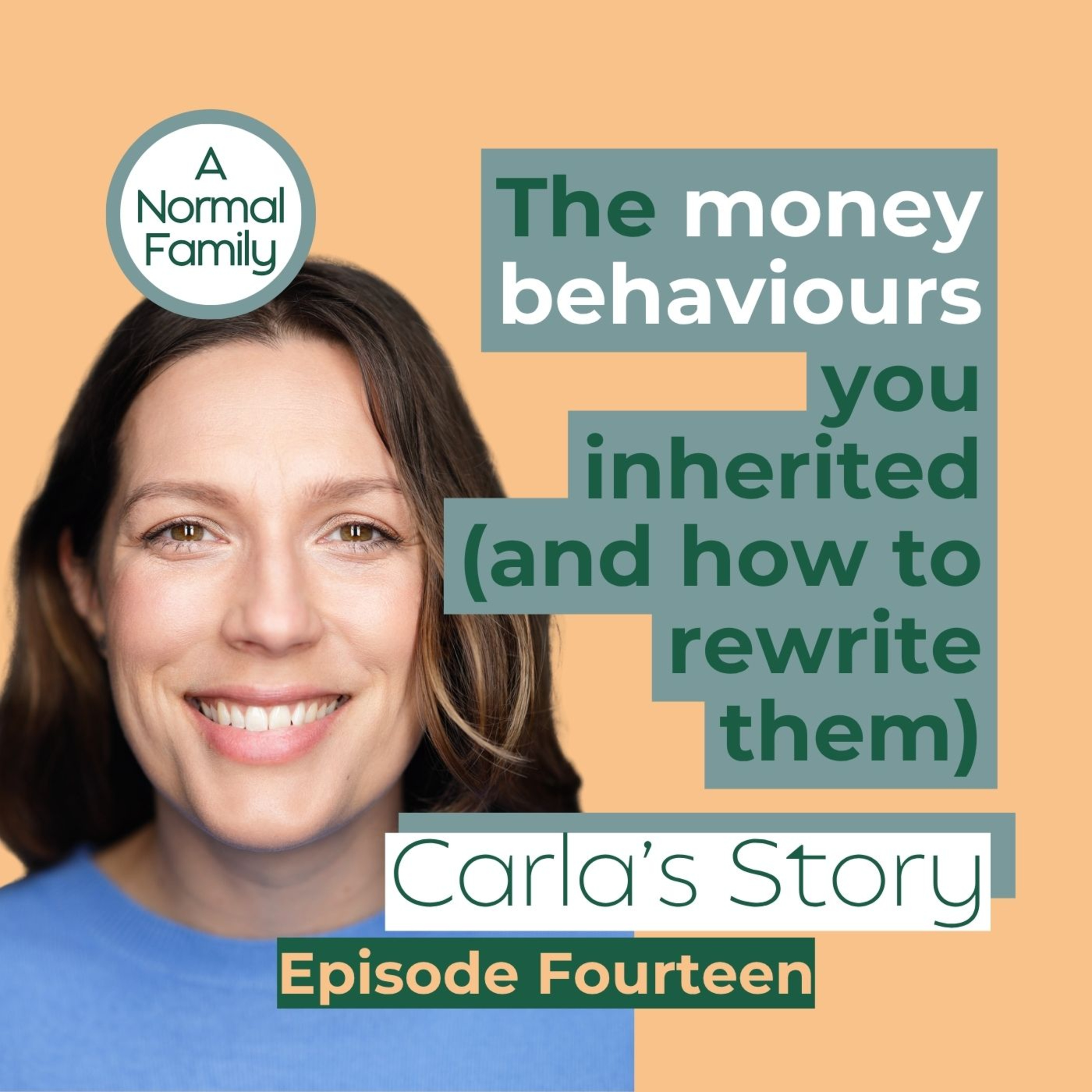
Episode 16 • 00:30:58
The money behaviours you inherit (and how to rewrite them)
What money behaviours did you inherit from your family — and are they actually yours?
In this episode, Anna is joined by Carla Hoppe, a former solicitor and founder of Wealthbrite, a financial education business working with UK legal professionals. Carla's family roots span Holland, India, Canada and the Falklands.
This is a story of understanding yourself, by understanding those who came before.
We also talk about financial heritage and the way we are given scripts we never examine. Hers led her back to the Dutch famine and fears of scarcity.
Carla shares a simple but powerful exercise — mapping your financial heritage in two columns — to surface inherited patterns and understand which ones still serve you.
Anna does the exercise, discovering the very different money personalities of her parents and the tension she carries.
Topics include:
- How generational trauma (war, famine, displacement) shapes financial anxiety
- Moving from money awareness to genuine agency
- Building empathy for the people who raised you — and for yourself
- Having better money conversations in your relationships
- Breaking cycles without self-blame
A thoughtful, warm, and surprisingly funny episode about one of the great taboos.
Praise for the podcast
“It was an absolute delight to take part in the Normal Family podcast. Anna made it such a safe and inviting place to talk openly and honestly.”
“You give me hope to find love and peace and if I look into my own family patterns, I will think of myself as ‘good enough’.”
“It has so many relatable themes and parallels for me and probably for others too.”
Never miss an episode
Subscribe on your favourite podcast platform and join the conversation.